A growing pile of unpaid bills in public universities has hit Sh98.06 billion as of December 31, 2025, sparking concern among Members of Parliament who now warn that the State Department for Higher Education could struggle to stay afloat without urgent financial intervention.
Higher Education Principal Secretary Beatrice Inyangala, while appearing before the National Assembly Education Committee on Wednesday, laid bare the extent of the debt, highlighting that Egerton University carries the heaviest burden at Sh25.5 billion.
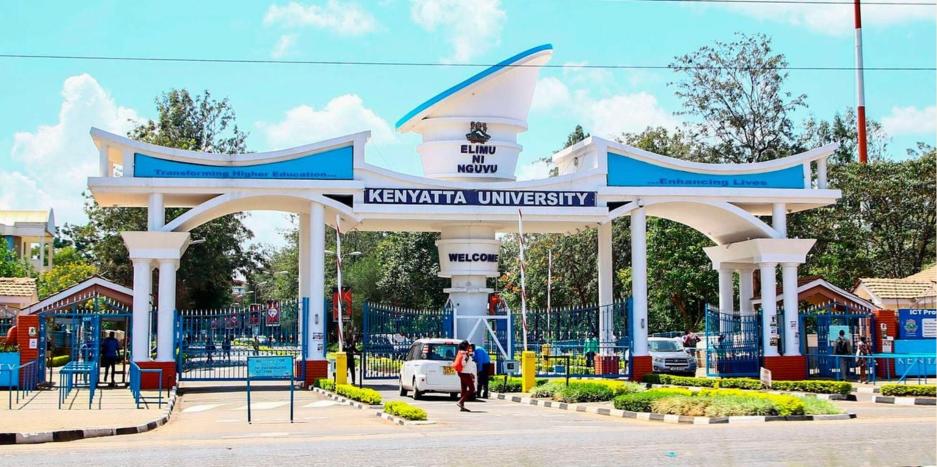
The University of Nairobi follows with Sh17 billion, while Kenyatta University and Moi University owe Sh12.8 billion and Sh10.4 billion respectively.
The figures drew sharp reactions from lawmakers, who questioned the pace at which the liabilities have been increasing. Committee chairperson and Tinderet MP Julius Melly said the upward trend raises serious concerns about financial management within the department.
“Two years ago, pending bills stood at Sh15 billion. Today, they have hit Sh60 billion and are now at Sh98 billion. You must explain to this country how these obligations keep rising. At this rate, the State Department will be insolvent,” he said.
According to documents tabled before the committee, there is no clear budget provision set aside to settle the Sh98.06 billion owed, leaving MPs doubtful about the government’s plan to address the crisis.
Although the State Department proposed a Sh14.36 billion adjustment in the Supplementary Estimates for the 2025/26 financial year, legislators said the move falls short of resolving the deeper issues driving the debt.
At the same time, concerns were raised over ongoing projects that remain incomplete despite continued allocation of funds to new developments. The department listed nine projects in institutions such as Laikipia University, Egerton, Moi, and the University of Nairobi that have stalled, some barely off the ground at just 0.31 per cent completion.
The committee also turned its attention to the State Department for Technical and Vocational Education and Training, where similar challenges were reported, including rising unpaid bills, stalled infrastructure, and gaps in funding.
Submissions showed that at least 16 TVET institutions are grappling with delayed projects due to funding shortages. These include hostels, workshops, libraries, and training complexes, many of which have taken years without completion despite substantial public spending.
Lawmakers cautioned that delays not only stall service delivery but could also lead to higher project costs and possible penalties from contractors. Projects in Wajir North, North Rift in Tiaty, and Kipkabus were singled out as either abandoned or progressing slowly.
“There was a pronouncement by the President that we don’t start new projects before we complete existing ones. Can you provide us with a list of those projects and how far along they are?” Melly posed, pressing for details on ongoing and externally funded programmes, including those under the Kenya-China programme.
The committee directed the department, under Principal Secretary Esther Muoria, to present a full account of all projects, whether ongoing, stalled, or completed, and warned against initiating new ones before finishing those already underway.
MPs also sought clarity on the nature of pending bills within TVET institutions.
“There is a Sh15.3 billion historical pending bill and another Sh2.2 billion for 2024/2025. What exact components of recurrent expenditure are we talking about? Is it salaries, statutory deductions, or what exactly is being held up?” Mandera South MP Abdul Haro posed.
Officials said the pending bills exceed Sh15.3 billion, with some claims already forwarded to the Pending Bills Verification Committee but yet to be cleared. Legislators warned that delays in the approval process could disrupt learning and operations in the affected institutions.
Attention also shifted to student support, with MPs demanding clarity on the number of beneficiaries and the scale of the funding gap.
“You have indicated a funding gap of Sh26.74 billion. How many students does this involve? How many have dropped out?” Homa Bay MP Eve Obara asked, while also requesting data broken down by gender and region.
She further questioned whether the verification Committee had become “another layer of bureaucracy” slowing down access to funds.
The department disclosed that just over 30,000 students are currently receiving support, far below the intended target of more than 440,000, pointing to a wide gap in access to funding.
Lawmakers also expressed concern over shrinking donor support, particularly in areas linked to youth training and employment programmes.
“Does this mean the donor is not keeping the promise they made to us? Why are donors pulling out such large amounts from critical areas?” Luanda MP Dick Maungu asked.
Officials attributed the reduction to changing donor priorities, which have affected funding for infrastructure and equipment in training institutions.
Further scrutiny was directed at the implementation of reduced TVET fees, with MPs pointing out inconsistencies in the figures presented.
“If fees have come down to Sh67,000, the total funding requirement should also decrease. What you are presenting suggests we are still using the Sh105,000 figure,” Gesiro said.
He warned that failure to complete the 52 projects initiated during the current Parliament would reflect poorly on accountability and delivery, urging the departments to prioritise completion over launching new initiatives.